Loadscan Integrates License Plate Recognition (LPR) into LVS
Loadscan License Plate Recognition now works seamlessly with Loadscan’s Load Volume Scanner (LVS) systems. This technology helps companies identify trucks quickly, streamlines operational processes, and improves transparency.
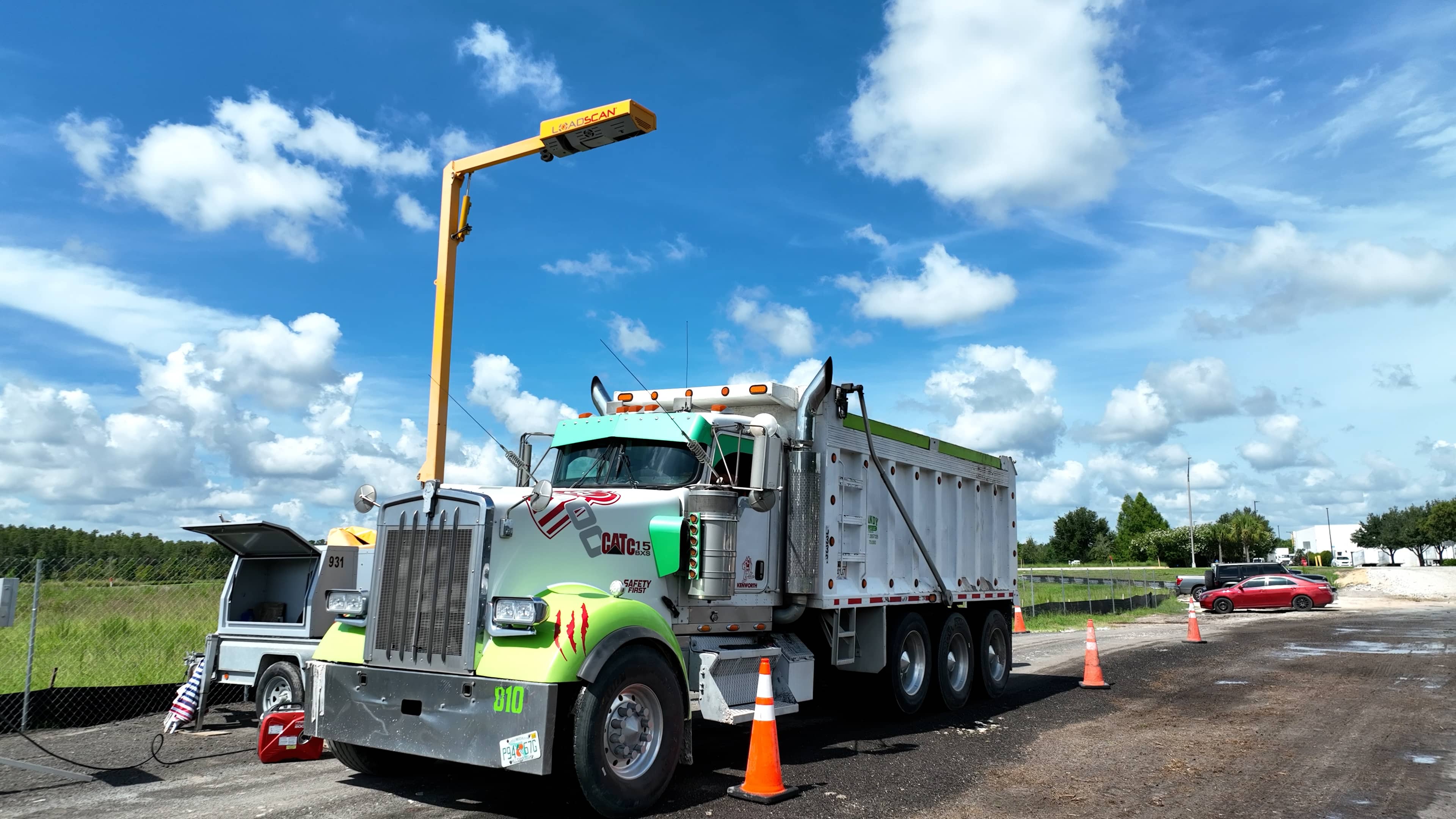
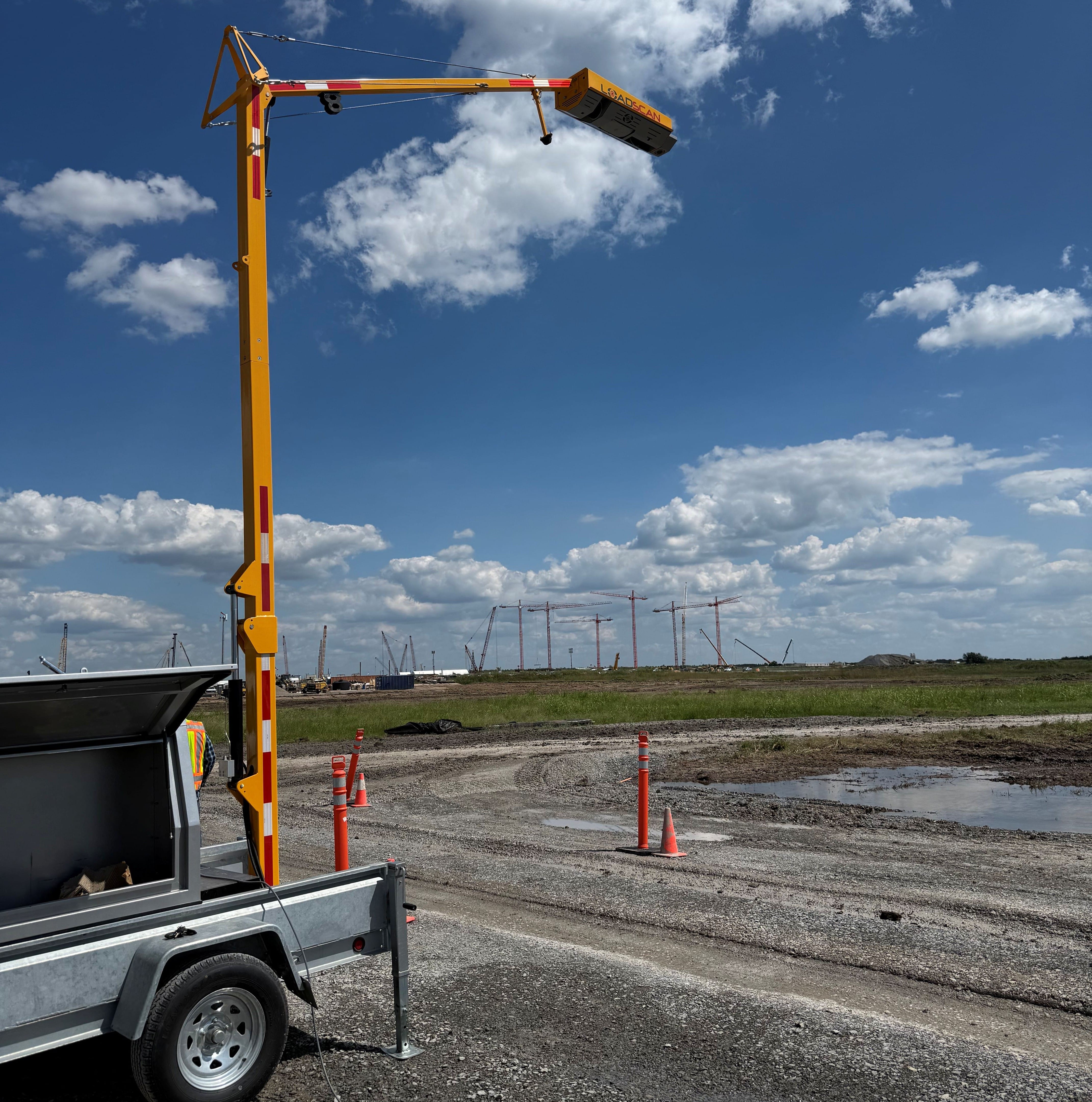
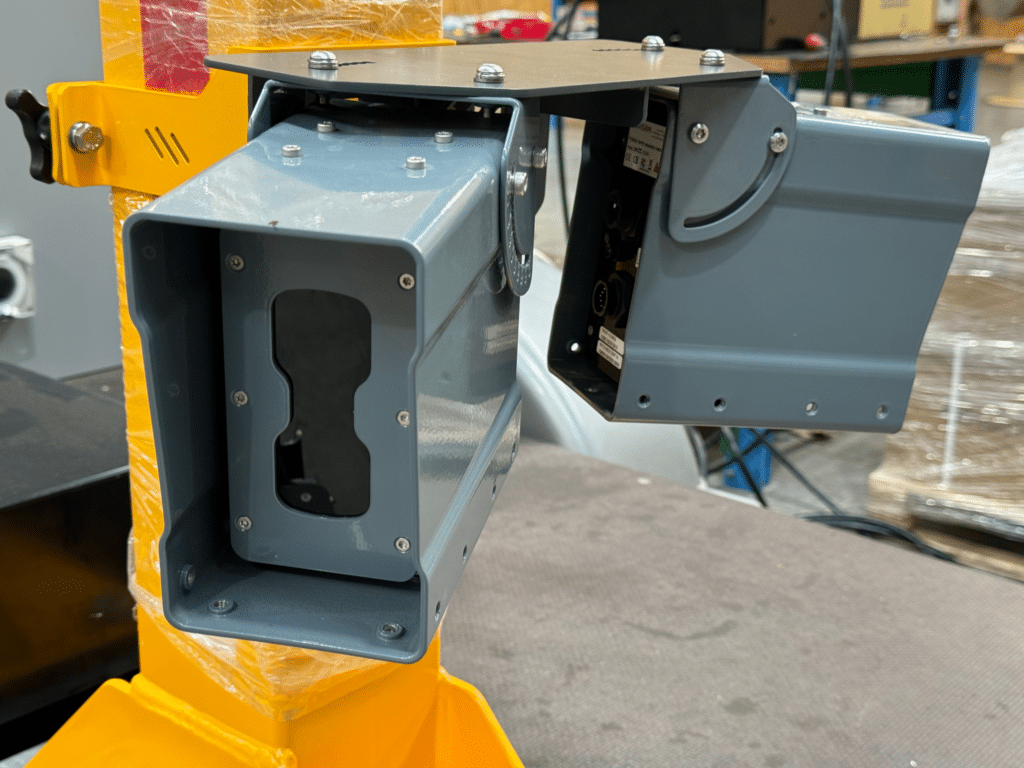
The LPR system uses advanced cameras to capture and read truck licence plates as vehicles drive through the scanner. It then displays this information on the message board alongside load volume data and related messages.
Seamless Data Logging with MyScanner Cloud
All captured data automatically uploads to Loadscan’s MyScanner cloud system, allowing companies to track and analyse truck movements and load volumes in real time.
By automating data capture, the system reduces manual entry, minimises human error, and improves reporting accuracy. Consequently, operators gain better insights for decision-making and resource allocation.
Efficiency and Accountability Benefits
Carey West, CEO of Loadscan, explains that the LPR system speeds up truck entry and exit. As a result, drivers spend less time waiting, and operations run more efficiently.
Moreover, companies benefit from increased transparency and accountability. Detailed records of truck movements and load volumes help them maintain compliance and manage operations more effectively.
Cost-Effective Integration
Companies can retrofit the LPR system to existing Loadscan LVS units using a Loadscan-supplied mounting kit. This solution eliminates the need for costly RFID tags and integrates smoothly with current scanning operations.
Reliable and Accurate Truck Identification
LVS combined with LPR provides precise truck identification and volumetric measurement. By displaying licence plate information alongside load volume data, operators gain immediate insights into each truckload.
This system streamlines workflows, reduces disputes, and ensures operators measure every truckload accurately.
Loadscan License Plate Recognition enhances LVS systems by making truck identification fast, accurate, and transparent. Consequently, companies in civil construction, quarrying, mining, and logistics can manage truck movements more efficiently while maintaining precise records of volumetric data.