What Is Truck Load Volume Measurement?
Truck load volume measurement is the process of determining the size of a truckload, usually measured in cubic metres or cubic yards. This is the standard tradable quantity in civil construction and related industries. Civil engineering works are scheduled and paid for based on these volumes, and contracts often specify volumetric truck measure as the quantity for trade.
Truck measure is typically a loose-measure, with bulking factors or compaction factors applied to relate it to solid-measure determined by site surveys. This ensures that the quantities of excavated, stockpiled, or filled material are accurate. For this reason, Load Volume Scanning is an excellent method for measuring truck load weight accurately.
The Load Volume Scanner (LVS)
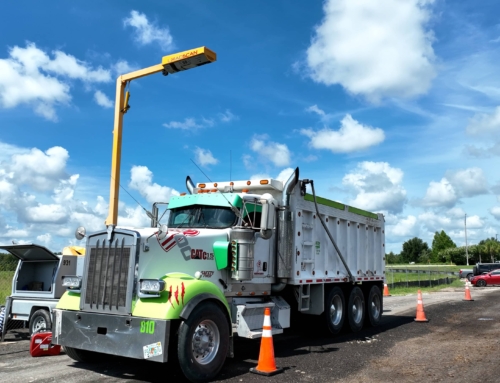
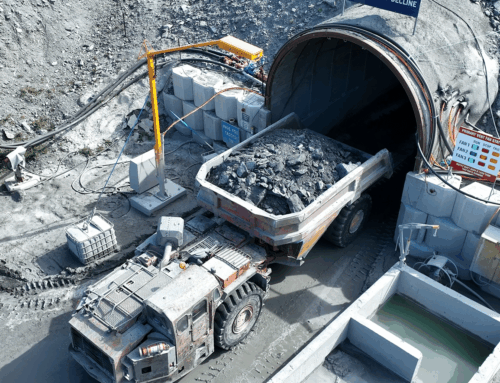
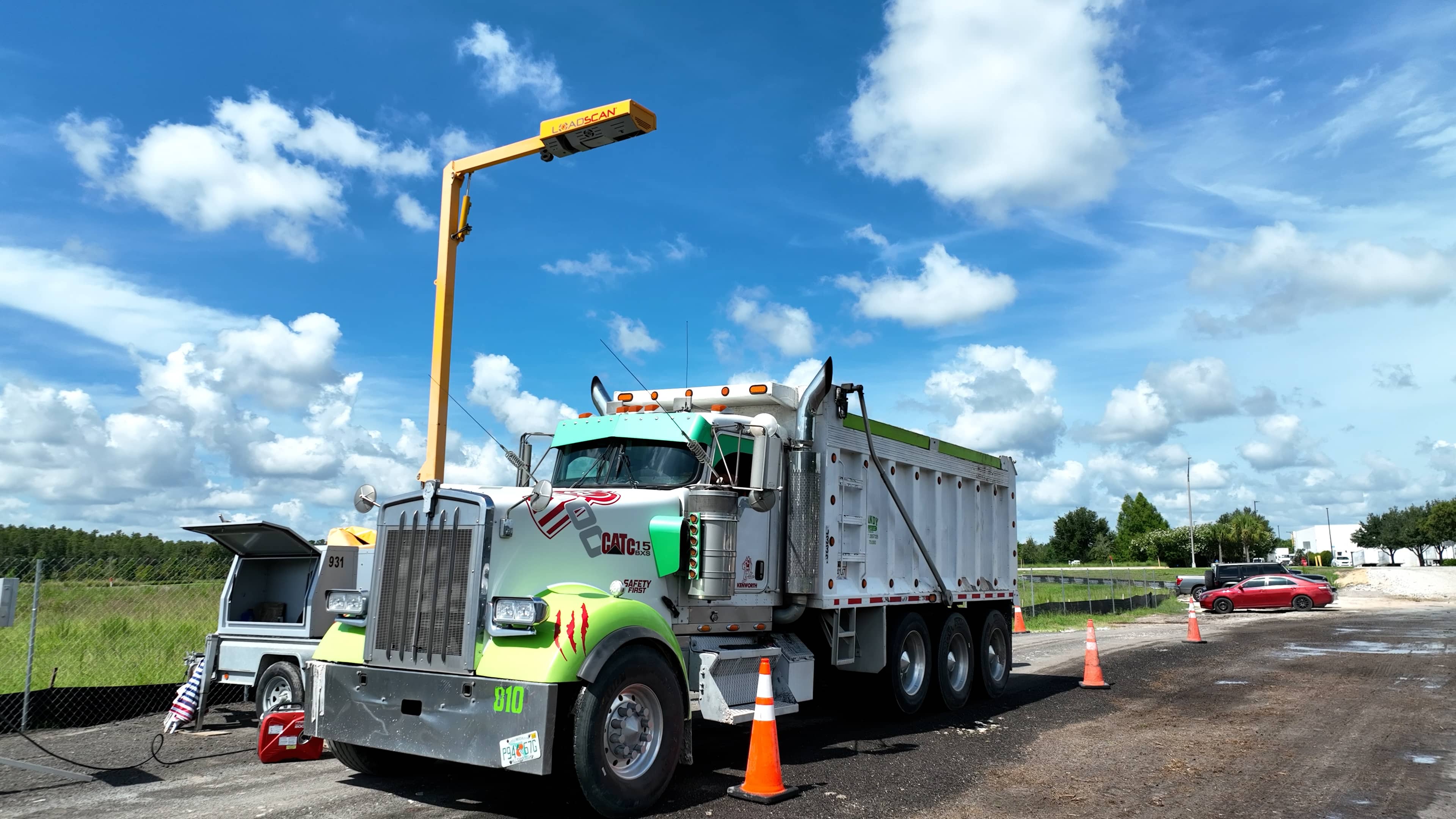
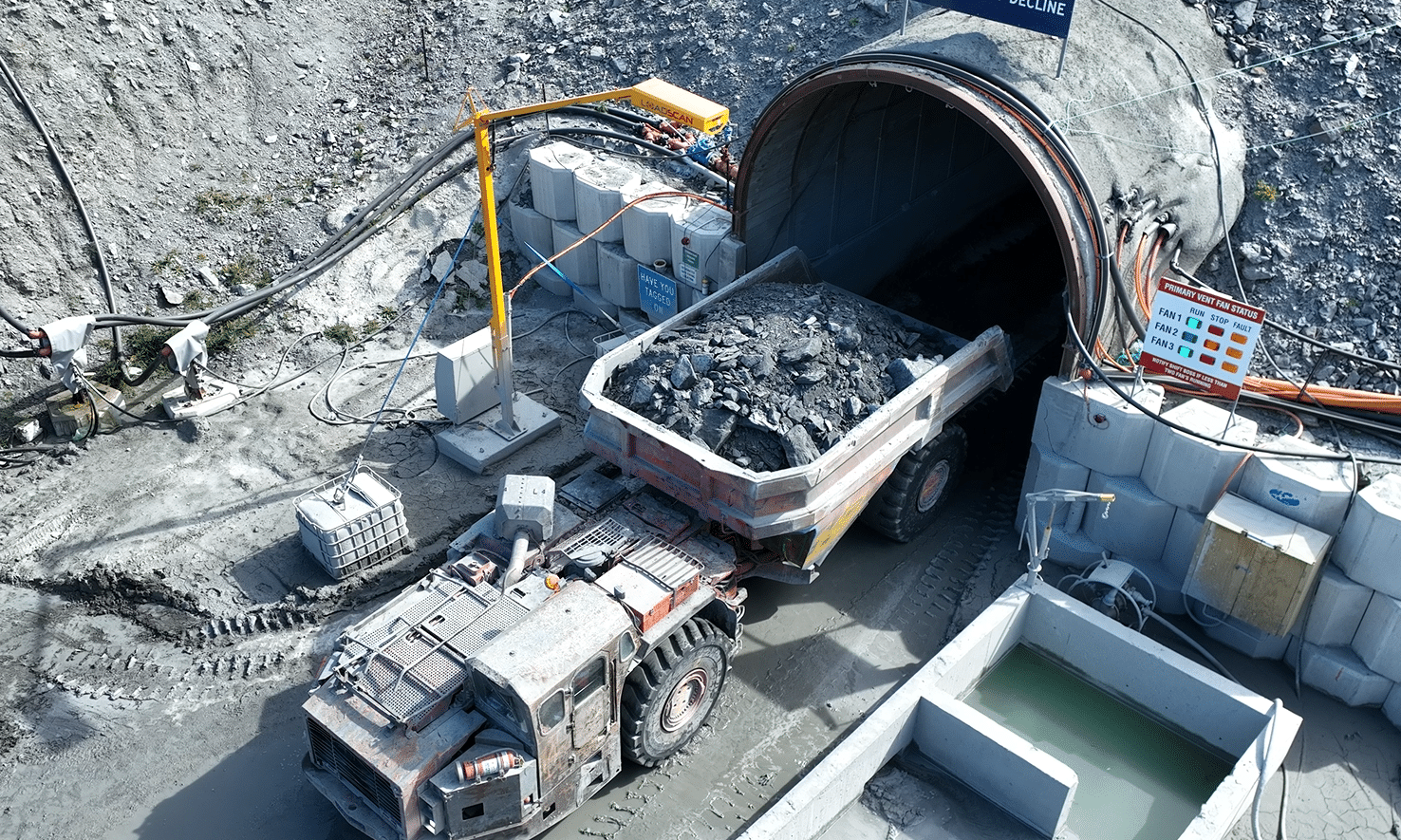
The Loadscan LVS is a non-contact, drive-through scanning system designed to measure loads of flowable solids in trucks and trailers. It works for road trucks, truck-and-trailer units, and off-road dump trucks.
Materials commonly measured include:
Rock aggregates and gravel
Sand and soil
Spoil, bark, and wood-chip
Fertiliser and other agricultural or mining products
Vehicles are scanned by driving slowly under an elevated Scan Head. The system automatically compares empty truck scans to loaded scans to calculate the volumetric load. This automated approach ensures consistent and accurate results for each truckload.
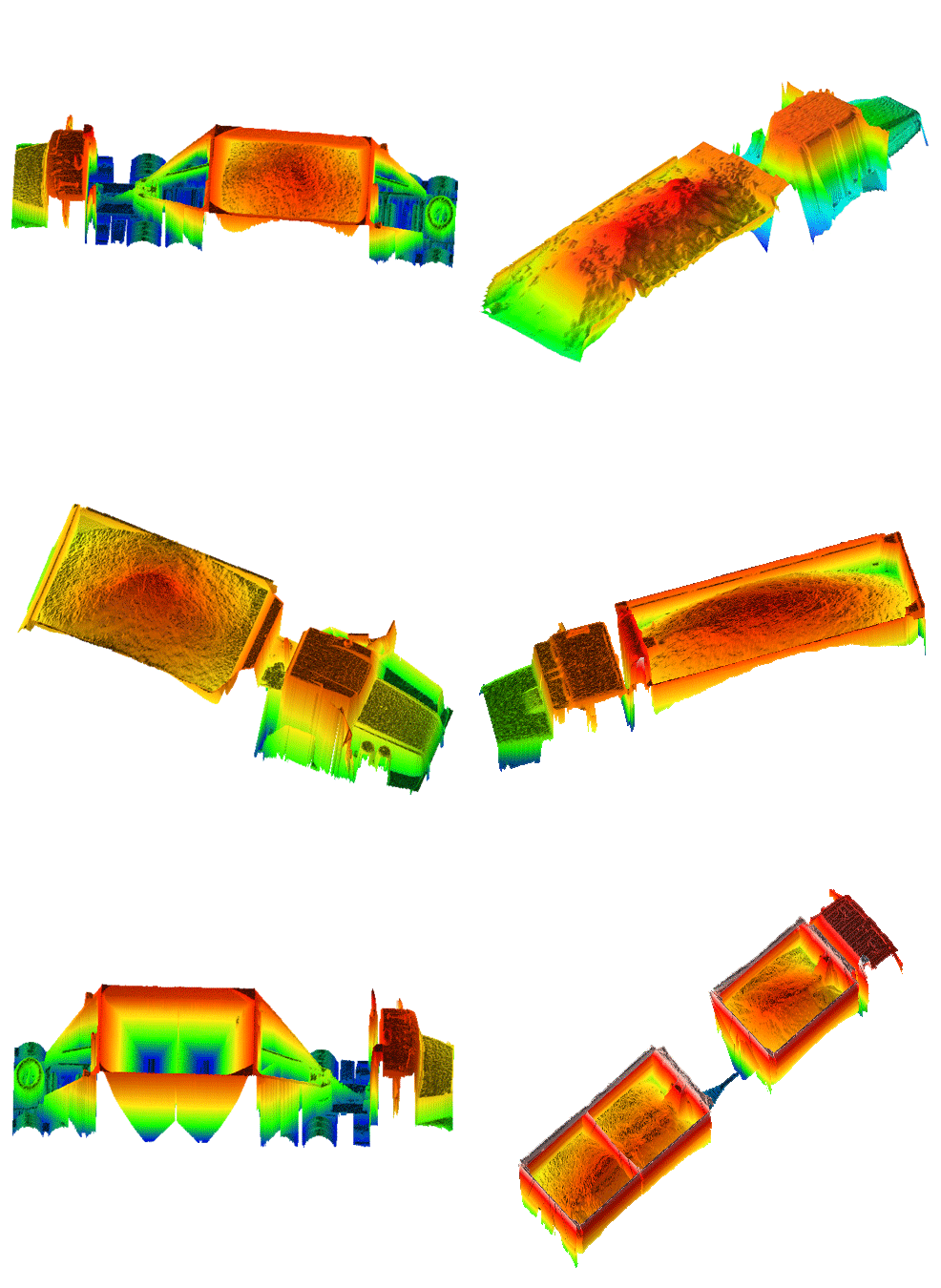
The Problem of Seller-End and Buyer-End Discrepancies
Traditional methods for determining truck volume often create disputes between suppliers and buyers. Methods like:
Weighing on a weighbridge
Inline loader bucket weighing
Counting scoops or bucket loads
…are prone to inaccuracies. Factors like moisture content, material compaction, and operator technique can affect results. For example:
Wet stockpiles may weigh more at loading and less at unloading.
Loader buckets may not be consistently filled.
Load settlement occurs during transport, changing the final volume.
On the buyer’s side, checking volumes manually — by level and measure, surveying stockpiles, or unloading trucks into containers — is slow and often inaccurate. These inconsistencies lead to disputes over actual delivered volumes.
How Loadscan LVS Solves These Problems
The LVS replaces manual methods with fast, accurate, and automated volumetric measurement. Key benefits include:
Measures every load accurately, regardless of truck bin capacity
Non-contact system, so load is not disturbed
Reduces disputes between buyers and suppliers
Provides fair measurement for both seller and buyer
Suppliers that use the LVS often find that contracts require scanners, improving trust with customers. At the same time, customers get a reliable, verifiable truck measure without the inefficiencies of manual methods.
Industries That Benefit from Load Volume Scanning
The LVS is highly suitable for:
Civil construction projects
Quarrying and mining operations
Landscape and garden supply businesses
Agricultural bulk material transport
By accurately measuring truck load volume, the LVS ensures fairness, reduces conflict, and speeds up operations for all parties involved.
Conclusion
Truck load volume measurement is a standard and tradable quantity in industries dealing with flowable solids. The Loadscan LVS provides a modern, automated solution that improves accuracy, reduces disputes, and ensures fair trade. It is a fast, non-contact, and reliable method that benefits both suppliers and buyers, making volumetric scanning the preferred approach for measuring truck and trailer loads.