 Oceana Waihi Gold – Waihi, New Zealand
Project Details
| CATEGORY: | Mining Productivity |
| LOCATION: | Mongolia |
| PRODUCT: | LVS-3BMP Portable, LVS-3TMM Mobile |
Improving Mining Haulage Efficiency: ODOD Gold Mongolia Case Study
In the fast-paced mining industry, accurate load measurement and operational transparency are essential for maximizing productivity. ODOD Gold in Mongolia faced challenges typical of large-scale mining operations, including manual tracking of truck loads, human error, and disputes over contractor payments.
By implementing Loadscan load volume scanner systems, the company significantly improved mining haulage efficiency and operational reliability.
Challenges in Mining Haulage
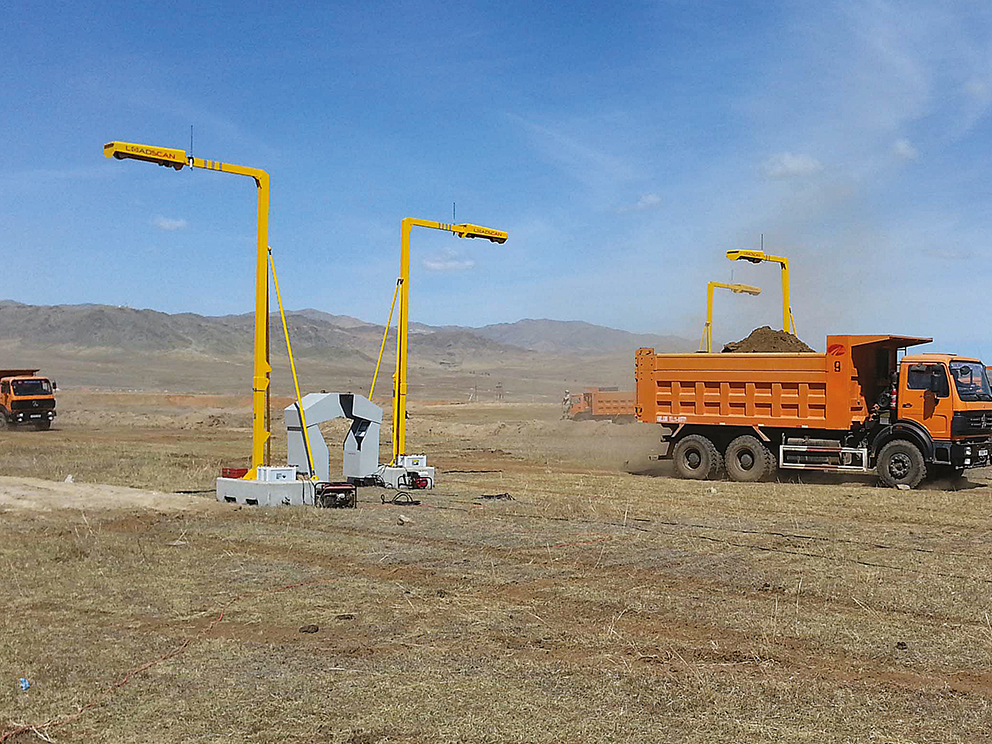
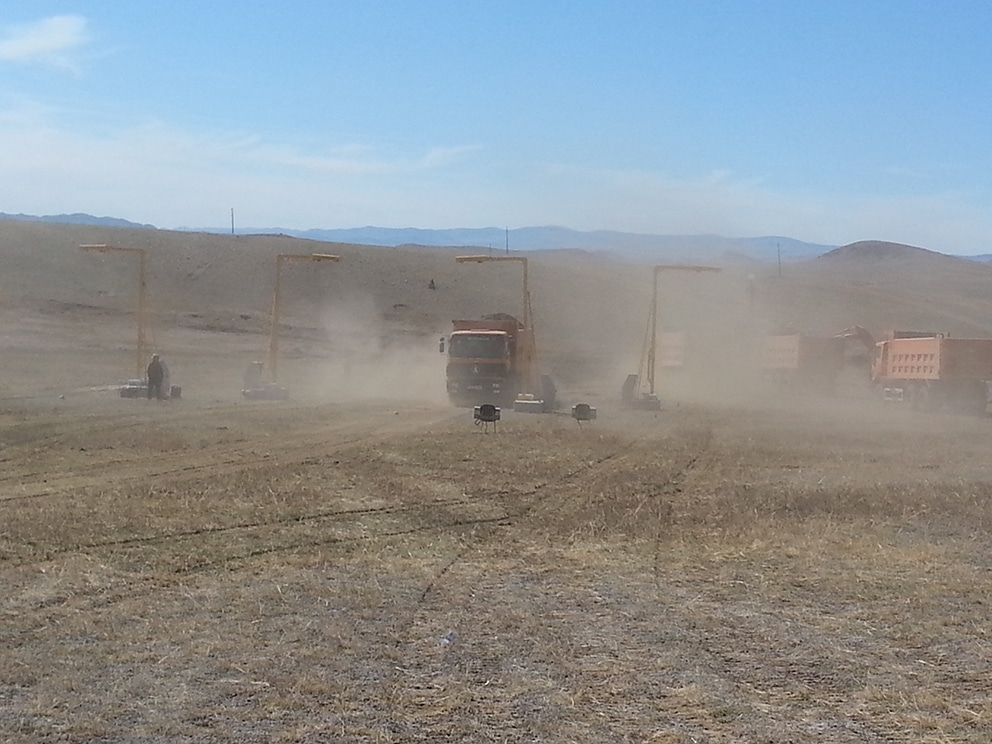
ODOD Gold’s site had 50 trucks operated by four different trucking contractors, transporting overburden and pay gravel across the mine. Traditionally, truck loads were manually counted by ground staff, and drivers recorded load information and calculations by hand.
This manual process led to several inefficiencies:
Human error and potential duplicity in load measurements
Haul-back material left in trays distorted total material moved
Monthly contractor payments were delayed due to disputes over manually calculated totals
These issues directly impacted mining haulage efficiency and cost-effectiveness, creating the need for a more reliable solution.
Loadscan Solution
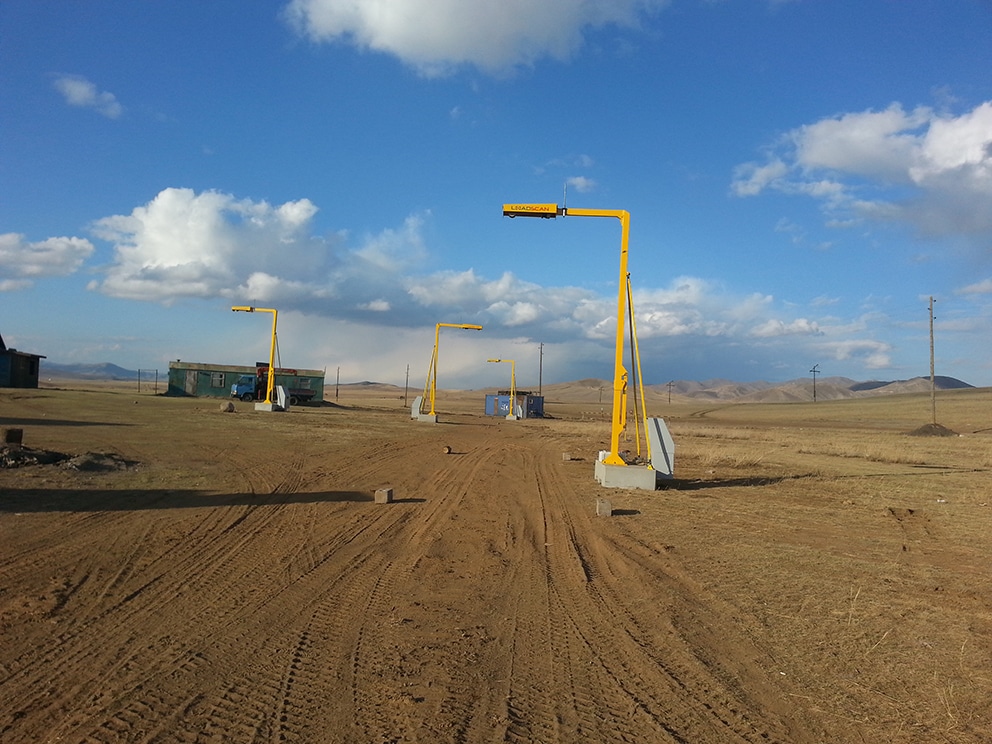
In March 2013, Loadscan shipped four LVS-3BMP Load Volume Scanner systems to ODOD Gold. Technical staff coordinated on-site installation, integrating the systems with Wi-Fi repeaters covering a 3km range. All trucks were fitted with RFID tags, enabling real-time load monitoring and accurate identification of contractor trucks.
The centralized control room was connected to the LVS system, allowing operations staff to access instant load data and generate accurate invoices daily. Each load was automatically sorted by contractor, truck ID, date, and time using Loadscan OverView™ software, eliminating the need for manual calculations and resolving disputes quickly.
Results and Operational Impact
Following the implementation:
Load reports were completed daily, reducing delays in contractor payments
End-of-month reports and invoices were accurate and dispute-free
Average daily volume measured increased from 38,000 m³ in 2013 to 75,000 m³ by the end of 2014, despite the addition of 20 more trucks
Full tracking of haul-back and bulk material movement significantly improved mining haulage efficiency
A representative from ODOD Gold stated:
“I don’t know how we did without the Loadscan system in the 13 years prior. I simply couldn’t run the mine site without it now.”
Fixed and Mobile Load Volume Scanners
For permanent sites, the Loadscan Fixed Load Volume Scanner provides hardwired connectivity to the office, enabling out-of-the-weather operation and instant data access. For temporary or mobile locations, the LVS-3TMM mobile truck measurement unit can be deployed in as little as 45 minutes, transmitting load reports via Wi-Fi and maintaining accurate bulk material measurement.
Conclusion
By integrating Loadscan load volume scanners, ODOD Gold Mongolia achieved unprecedented transparency and control over its haulage operations. The result was measurable improvements in mining haulage efficiency, productivity, and cost management, while reducing human error and disputes.
Discover more Case Studies here