The benefits of LiDAR in mining
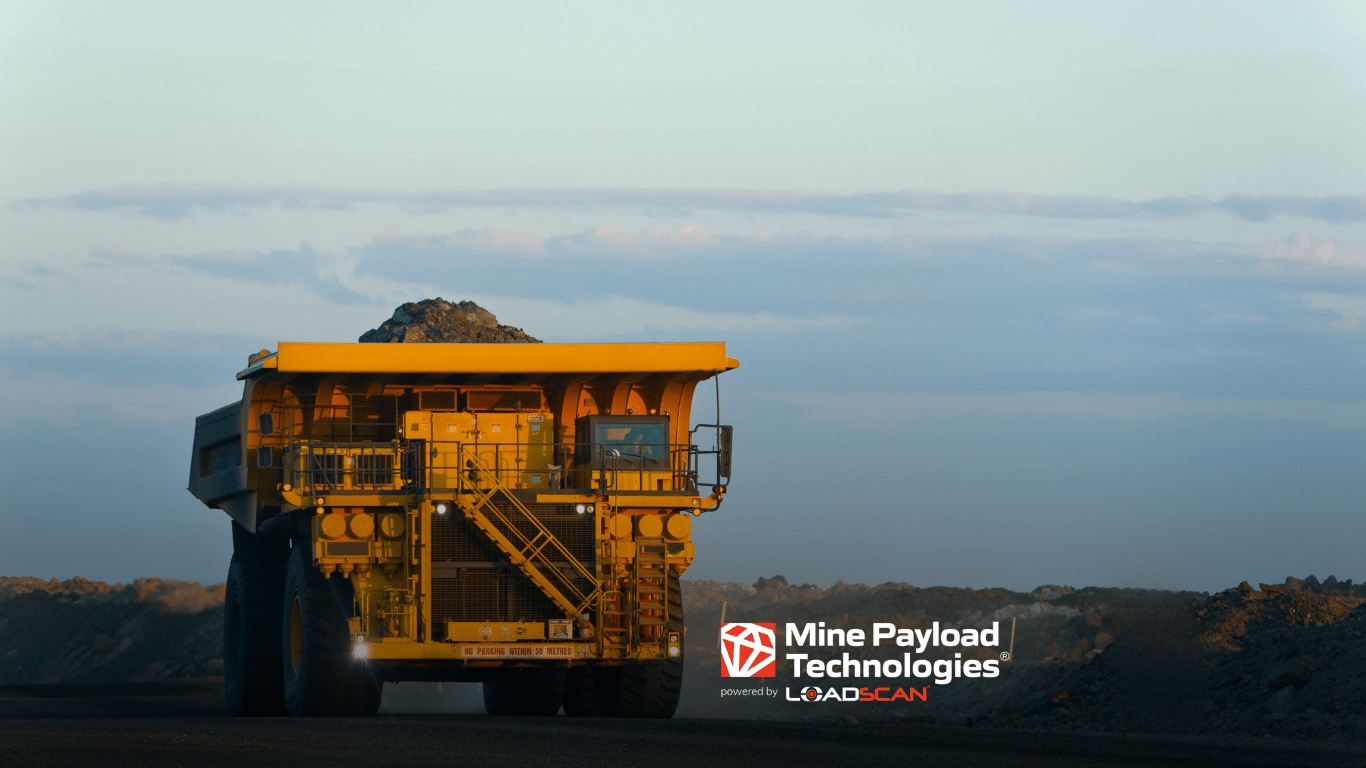
Relying on static weighbridges introduces a massive bottleneck to mine site productivity. Heavy haul trucks must come to a complete stop, wait for the scale to settle, and manually collect paper dockets - a process that wastes up to 30 seconds per cycle and can cost a mine 1 to 2 lost loads per shift per truck.
Jump to Section:
Sign up for updates

The LIDAR (Light Detection and Ranging) technology used in Loadscan’s technology is the industry standard in mining for volumetric measurement, due to its high precision and resilience in harsh environments.
The core advantages of LIDAR in mining:
High precision and accuracy
The system utilizes LiDAR to scan a loaded truck tray and mathematically compare it against a stored reference scan of the same vehicle when empty. This calculates the exact payload volume with a certified accuracy of ±1%. This level of accuracy is legally validated by official Weights and Measurement Trade Certifications in both New Zealand and Australia
Non-contact and low maintenance
Because Loadscan’s Mine Payload Scanner is a completely non-contact system, it experiences absolutely zero physical friction, wear, or impact from the trucks. It has virtually no moving parts, completely eliminating the need for scheduled servicing, routine recalibrations, or replacement parts. This makes the technology exceptionally durable, cost-effective to run, and highly reliable.
In-motion measurement
Relying on static weighbridges introduces a massive bottleneck to mine site productivity. Heavy haul trucks must come to a complete stop, wait for the scale to settle, and manually collect paper dockets – a process that wastes up to 30 seconds per cycle and can cost a mine 1 to 2 lost loads per shift per truck. LiDAR technology allows for seamless, drive-through scanning. Trucks simply drive under the elevated scanner without needing to stop. The entire scan and data collection process takes just 30 to 60 seconds from start to finish.
Environmental resilience
Mining operations take place in some of the most unforgiving climates on Earth, requiring equipment that can survive intense weather extremes. Loadscan systems are engineered to thrive in these conditions