LiDAR: Still setting the standard in load volume measurement
In industries where accuracy and reality can’t afford to be compromised, LiDAR-based volume scanning still remains the benchmark, despite bold claims about stereo 3D cameras being the “future” of truck load measurement.
Jump to Section:
Sign up for updates

Understanding the technologies: LiDAR vs. stereo cameras
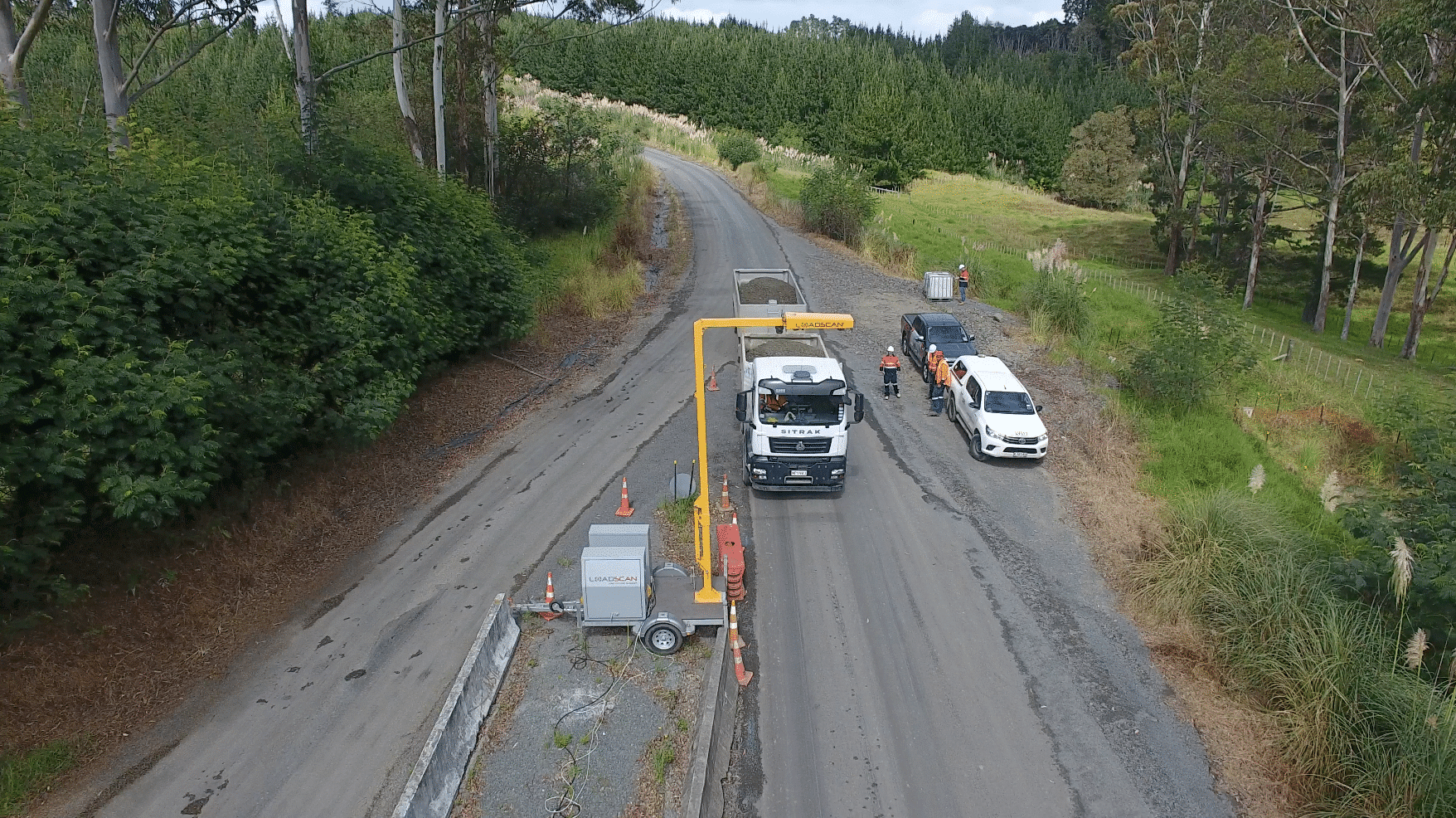
The idea of AI algorithms paired with low-cost cameras sounds enticing but, with more 20 years of proven performance in quarries, mines, and civil operations worldwide, Loadscan’s dual 2D LiDAR technology continues to set the global standard for volumetric load measurement.
LiDAR captures a vast number of precise distance points, using laser pulses to generate highly accurate measurement data that doesn’t rely on assumptions or inference. This is why Loadscan volume scanning systems achieve certified volumetric accuracy, independently verified across multiple industries.
Stereo 3D cameras generate images which then need heavy post-processing with software used to “refine” the images and estimate depth. This reduces transparency by adding further layers of interpretation which make results harder to independently validate.
Why LiDAR excels in load volume scanning
Built tough with accuracy you can trust
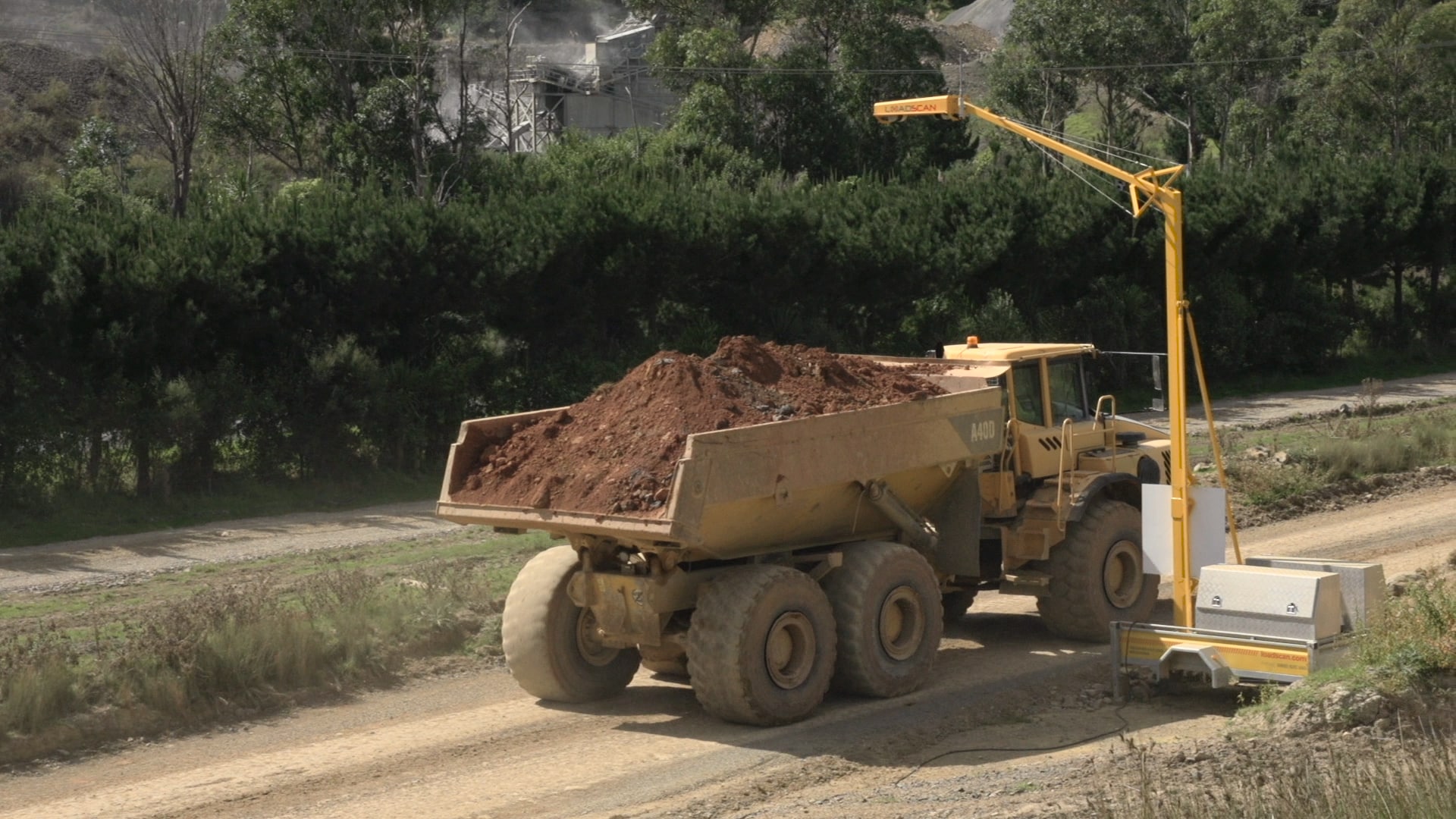
Dust, rain, mud, and vastly fluctuating temperatures aren’t the “exception” – they’re daily realities in mining and quarrying. Obscured lenses, glare, and shifting image quality can affect highly-susceptible vision-based systems, but LiDAR is rarely affected by these conditions, and keeps delivering reliable measurements.
Loadscan’s dual 2D LiDAR configuration ensures that every load is measured with an accuracy camera-based systems struggle to achieve, providing clean, consistent data straight from the scan head.
Independent verification
Loadscan’s volume scanning systems have internationally recognised certification for accuracy, which means independent proof of material movement – often worth millions of dollars – is achieved time-after-time, project-after-project, unlike camera-based systems that simply haven’t demonstrated this level of verifiable performance
Long-term reliability
LiDAR laser units are precision instruments built for durability, and Loadscan systems have been running in harsh environments for decades, delivering consistent ROI with minimal maintenance. That’s why operators continue to choose Loadscan’s proven LiDAR system over experimental alternatives.
Addressing stereo claims
“AI-enhanced accuracy”:
By employing post-processing, it’s possible to polish the data, but stereo systems can’t outdo the accuracy of direct measurement. Inference and estimation are not substitutes for verified, accurate data delivered by the Loadscan range of volumetric scanners.
“Multi-stream flexibility”:
More data does not necessarily mean increased accuracy. In fact, more streams add more complexity and more potential failure points. By using LiDAR, Loadscan delivers the focused approach and reliability that operators need.
“Future-proof”:
While the promise of systems ‘learning’ to improve over time is an interesting one, but it’s still unproven technology. LiDAR, however, isn’t a future bet – it’s had decades of validation and remains the benchmark by which other volume scanners are measured.
“Cost-effective”:
It can be an expensive exercise buying a cheaper volume scanner because lower upfront cost doesn’t ensure long-term value. It can be a very costly mistake if you’re getting unreliable or disputed data from your system.
Loadscan: Benchmarking the industry
For more than two decades, Loadscan has led the way in volumetric load measurement with LiDAR technology that’s been independently verified, globally deployed, and field-proven in the harshest operating environments. Other companies may focus on what’s trending, but Loadscan continues to deliver what operators actually need: reliable, repeatable, and accurate measurement they can stand behind.
In high-stakes industries, “close enough” isn’t good enough. That’s why Loadscan’s LiDAR scanners remain the trusted benchmark for load volume measurement worldwide.
More from this series
- Faster Isn’t Always Better | Volume 1, The Intelligence Series
- The myth of “more is better” | Volume 2, The Intelligence Series
- Why reference scans still matter. | Volume 3, The Intelligence Series
- LiDAR: Still setting the standard in load volume measurement. | Volume 4, The intelligence Series
- Heavy-duty vs lightweight: Why Loadscan is built to last | Volume 5, The Intelligence Series
- When “fast” becomes a liability | Volume 6, The Intelligence Series