Heavy-duty vs lightweight: Why Loadscan is built to last
Out in the real world, gear either holds up, or it doesn’t. And that’s where Loadscan’s heavy-duty design earns its place.
Jump to Section:
Sign up for updates

Heavy-duty vs lightweight: Why Loadscan is built to last
In mining, quarrying, and civil construction, the real test for equipment isn’t judged in brochures. It’s judged in the real world – a environment where rain is coming in sideways, when dust is thick enough to choke an engine, and when trucks never stop rolling. Out in the real world, gear either holds up, or it doesn’t. And that’s where Loadscan’s heavy-duty design earns its place.
Some companies in the load volume scanning market have been pushing “lightweight” scanheads, as if shaving kilos off a unit is some kind of positive breakthrough and a valid reason to choose their product. Ironically, claims of scanheads tipping the scales at around 10kg actually carry very little weight.
Loadscan’s Load Volume Scanner (LVS) models weigh around 26kg, while the market-leading Mine Payload Scanner (MPS) is closer to 35kg. On paper, that might seem bulky but, in practice, it’s that build quality using quality components that makes the difference between something that lasts and something that gets knocked out of action when conditions turn ugly, and less robust gear starts to fail.
Cutting weight means cutting material. Cutting material means giving up strength, stability, and protection. And, once you do that, every bump, every gust of wind or wild eddy of dust becomes a risk.
Loadscan customers don’t have to worry about their scanners once they are installed, operating and producing data. That’s why Loadscan systems are known for minimal downtime and low maintenance while continuing to seamlessly deliver accurate volume information.
Reliability comes from strength
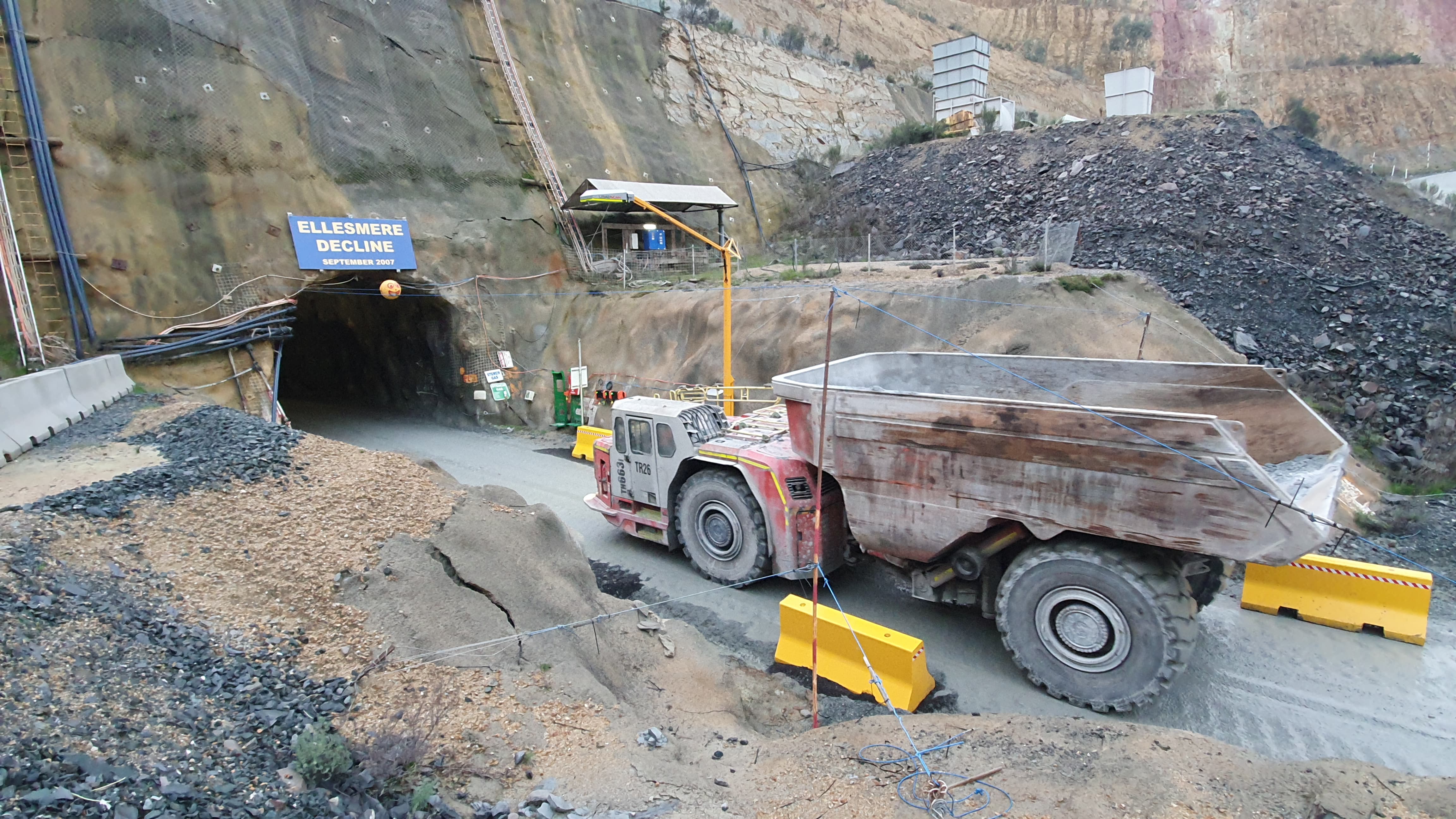
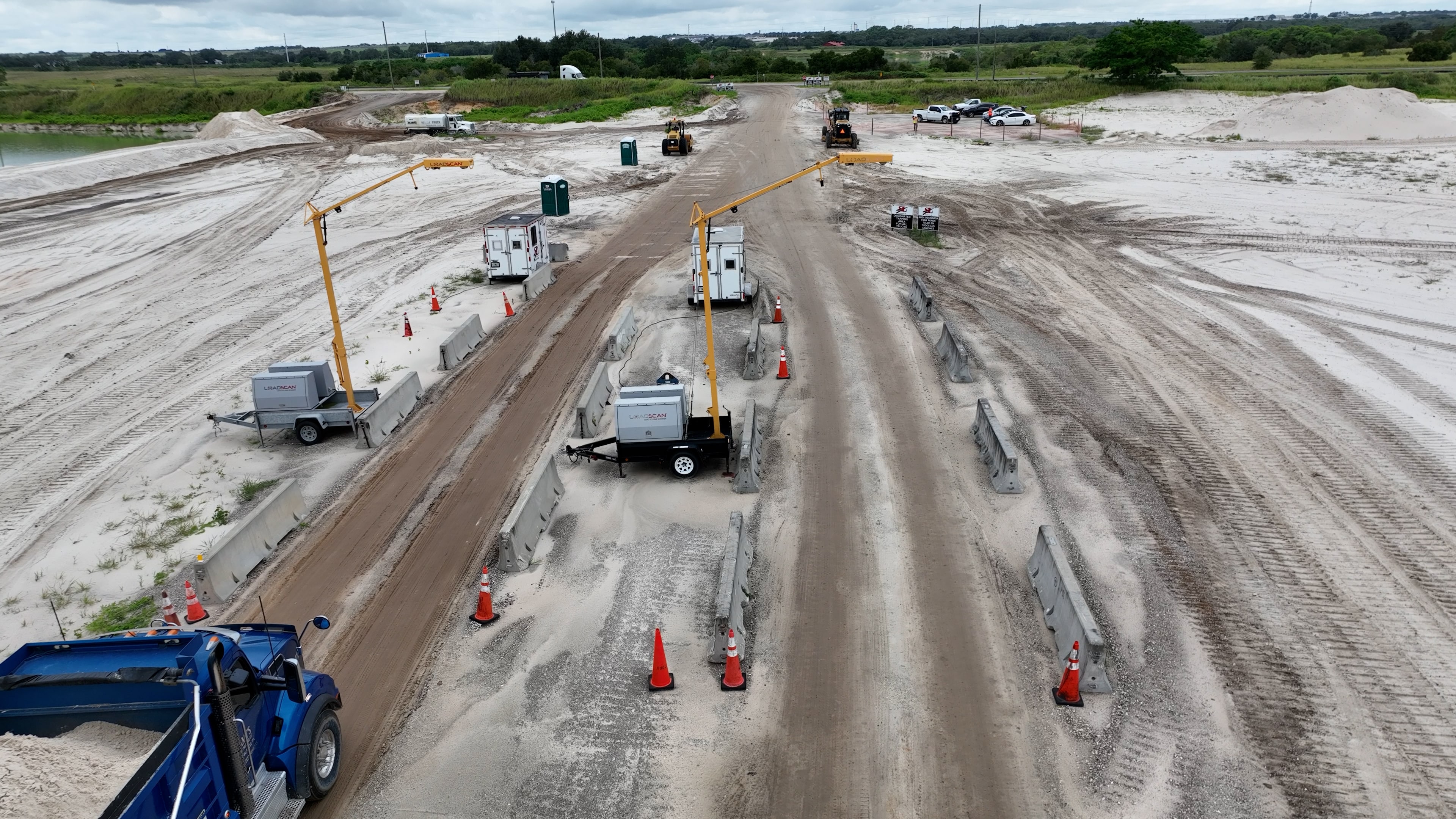
A Loadscan LVS or MPS comes with everything needed to set it up and get to work. These are all designed specifically for purpose, are made from heavy-duty materials, and provide the backbone for our scanheads.
This includes the pole, the outrigger for the scanhead, and the mounting system for fixing the pole in place on site. They are all designed to do one job – ensure a strong and secure mounting platform for the scanhead.
Some of our competitors don’t offer a mounting system as part of their package, leaving it up to the customer to source or manufacture their own. This often results in a lightweight, under-strength system that’s not fit for purpose. That’s only ever going to deliver inaccurate data if the scanhead is moving around in the wind, or constantly needing recalibration due to the vibrations caused by heavy equipment.
A lighter frame might be easier to handle at first. But once it starts drifting out of alignment, or needs a reset every few months, the “convenience” disappears fast. And repeated downtime is far more expensive than a product-specific, well- engineered installation system.
Proven in the field, not just in a test rig
Loadscan volume scanners have been running in frozen Canadian mines, in the dust bowls of Australia, on rain-soaked construction sites in the USA, and right through a range of conditions in Latin America – and they’ve just kept working. Not for a season, not for a trial period, but for years…and years… and years. That’s a track record Loadscan is proud to stand behind.
Lightweight newcomers might show off positive lab tests or early advancements, but there’s a big gap between working in principle and working for decades in extremely demanding conditions. That gap is where Loadscan’s heavy-duty approach pays off.
Accuracy depends on stability
Volumetric scanning is unforgiving. Any flex or vibration throws accuracy out the window, and that’s why robustness matters. A heavier scanhead housing and mounting system doesn’t wobble, doesn’t creep, and doesn’t need constant babysitting. Lightweight units, by contrast, are more prone to drift. And once operators lose confidence in the data, the scanner has already failed its main job.
The real cost
Sure, lightweight units are easier to ship and bolt up. But what’s the trade-off? Repairs. Replacements. Downtime. Each one eats into productivity and adds to unnecessary cost. Over the long haul, it’s the heavy-duty kit that pays back – creating a lower total cost of ownership compared to lighter, less durable equipment.
There’s a reason we don’t chase fads like “lighter is better.” Out in the field, you need gear that won’t quit. That’s why Loadscan builds scanners with heft. Because weight isn’t the problem. Fragility is.
Comparison at a glance
| FACTOR | LOADSCAN | COMPETITOR |
|---|---|---|
| Scanhead weight | ~35kg MPS scanhead, built with robust housing | ~10kg lightweight head |
| Durability | Engineered for mines, quarries, and civil sites; built to last decades | Lightweight design raises concerns over long-term resilience |
| Environmental Resistance | Proven performance in dust, rain, mud, vibration, and extreme temperatures | Susceptible to lens obstruction, weather effects, and environmental ingress |
| Accuracy Stability | Rigid, heavy-duty build resists vibration and mounting flex for consistent alignment | Lightweight structure more prone to movement, leading to drift and recalibration needs |
| Maintenance & Downtime | Minimal maintenance, long service life, low total cost of ownership | More frequent recalibration, higher risk of repair/replacement costs |
| Proven Track Record | 20+ years, internationally certified accuracy, deployed globally in toughest conditions | Newer entrant, limited long-term field data |
| Value Proposition | Heavy-duty reliability ensures lowest lifetime cost | Lighter design prioritises convenience over robustness |
More from this series
- Faster Isn’t Always Better | Volume 1, The Intelligence Series
- The myth of “more is better” | Volume 2, The Intelligence Series
- Why reference scans still matter. | Volume 3, The Intelligence Series
- LiDAR: Still setting the standard in load volume measurement. | Volume 4, The intelligence Series
- Heavy-duty vs lightweight: Why Loadscan is built to last. | Volume 5, The Intelligence Series