

Project Details
| CATEGORY: | Borrow pit, quarrying, aggregate and bulk material supply |
| LOCATION: | Wimauma, Florida, USA |
| PRODUCT: | 2 x LVS-3BMF |
| WEBSITE: | www.tampabaydirt.com |
Precision and productivity in Florida’s borrow pits
For Jackson Taunton at Razorback Mining, the Loadscan Load Volume Scanner (LVS) isn’t just a tool – it’s the backbone of accurate, efficient operations in the company’s two busy borrow pits in Waimauma, Florida, USA.
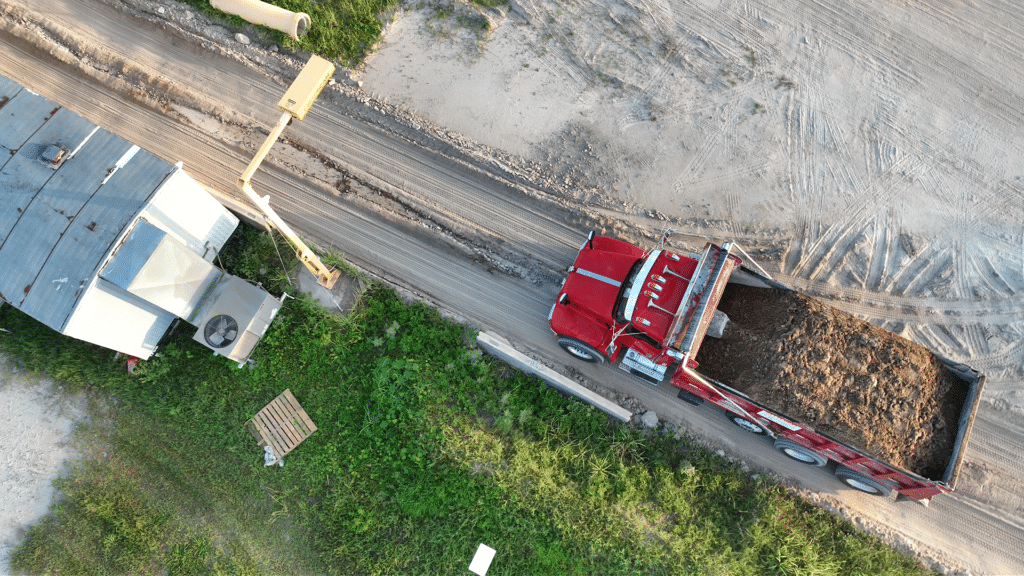
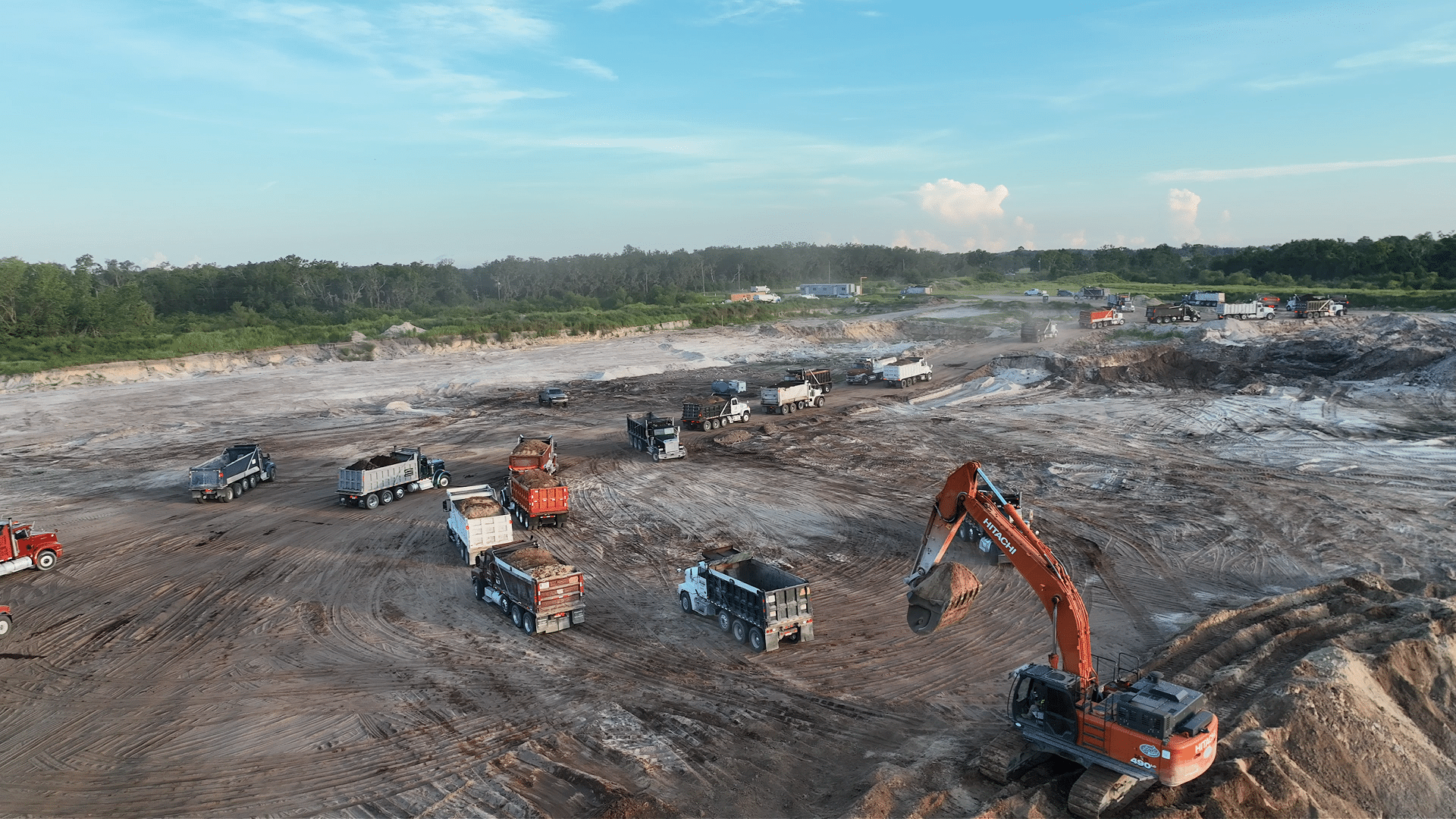
Located just over a mile apart in southeast Hillsborough County, both sites supply a range of materials for commercial development, infrastructure, and major FDOT (Florida Department of Transportation) projects.
Razorback has been using Loadscan technology for well over a decade, starting with a previous quarry long before the current sites opened. “When we opened this pit, there wasn’t really any decision to make,” Jackson says. “The ownership wanted to go with Loadscan, just for the simplicity of it, and because they were familiar with it.”
That decision has paid off – day in, day out.
Accuracy without the guesswork
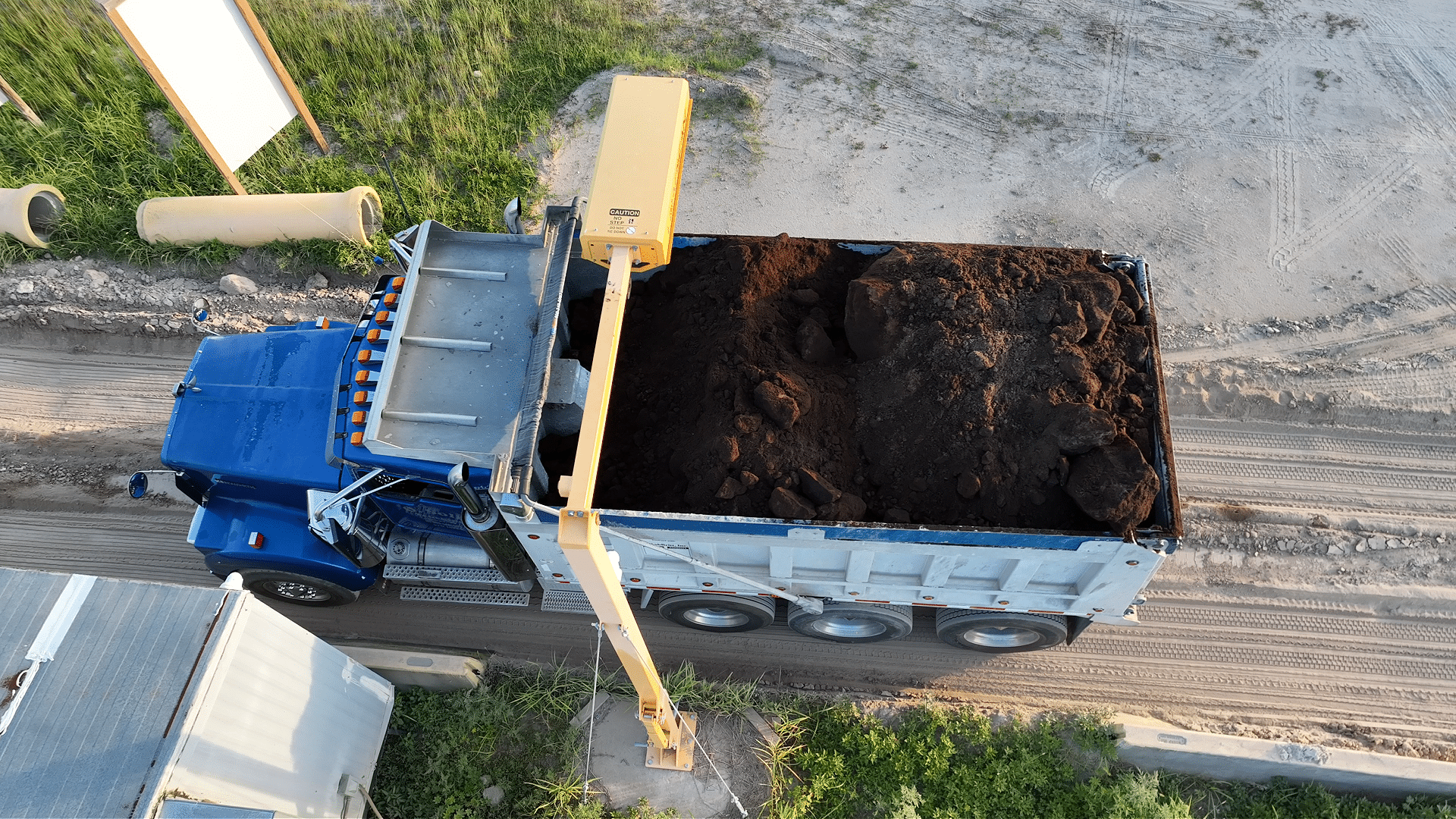
One of Jackson’s biggest praises for the Loadscan system is its ability to measure true load volumes, without moisture content distorting the figures.
“One of the biggest advantages of it is it doesn’t measure water weight in material.
“When you leave here with 17 yards of material, you’re getting 17 yards of material and you’re not being charged with any water weight,” he explains. That’s vital in Florida’s climate, where rainfall can add hundreds of pounds to a load.
Using the Loadscan LVS gives him the oversight to prevent those costly mistakes, by monitoring volumes in real-time directly from Loadscan’s MyScanner system that he can bring up on his phone.
Fast, efficient, and transparent
Throughput is another major benefit, with Razorback able to run an average of 55 to 60 trucks an hour through the scanner.
“Theoretically, as long as the drivers’ information is correct, we can run a truck off in 50 seconds from the time it runs underneath the scanner until it pulls off, and then start the new one,” Jackson says.
That speed is crucial during peak demand. Over an especially busy two weeks recently, Razorback moved an average of 11,000 yards per day – more than 600 trucks daily. Since then, they’re still averaging 6,500 – 7,000 yards each day.
“This year’s actually been exceptional so far,” Jackson says. “It depends on the day but, on average, we’re probably doing 350–450 trucks per day.”
The LVS also makes invoicing and reconciliation straightforward. Tickets are printed in triplicate – two for the driver and one for Razorback’s records – and data is downloaded daily into Excel for easy integration with accounting software. Customers receive detailed reports, allowing them to cross-check with their own ticket records.
“One of the advantages is the customer has a chance to reconcile the Excel sheet versus the tickets they’ve actually got,” Jackson explains. “If they’re missing tickets, they’ll call us and ask for them or, if we charged the wrong truck to the wrong place, they pick up on that too, and we make the correction.”
Reliable, low-maintenance technology
Unlike scales or a weighbridge, Loadscan LVS units don’t require constant calibration.
“The biggest advantage of this versus the scale is we don’t have to calibrate it,” Jackson says. “We can tell if something is out when we start getting some scan error messages pretty consistently, so we back drag the drive coming up to the scanner, bring it back into tolerances, and just keep going.
“It’s really simple,” Jackson says. “When we’re outside our tolerances, we just fix it and keep going.”
Even driver habits are accounted for, with some drivers trying to run through the scanner with tarps over their loads.
“It does change when the tarp’s over, but 99% of the time it shows a mismatch and most of the time, I get a misread,” Jackson says.
Built for demanding operations
Razorback’s customers range from trucking companies to developers, and Loadscan’s flexibility helps meet their varied needs. Some drivers are paid by the yard, others hourly, and some on a flat rate – but in every case, accurate load volumes keep things fair and consistent.
That accuracy also protects the business. With the LVS, Jackson can reconcile end-of-month yardage against financial records with confidence.
“I can take the Loadscan report and look at the total yardage and volume, then do a reconciliation out of our accounting system. Our accounting system shows the yardage and the dollar amount too, so I can reconcile the two of them.”
It’s this kind of operational clarity that makes Loadscan more than just a measurement tool – it’s a productivity enabler and a safeguard for both Razorback and its customers.
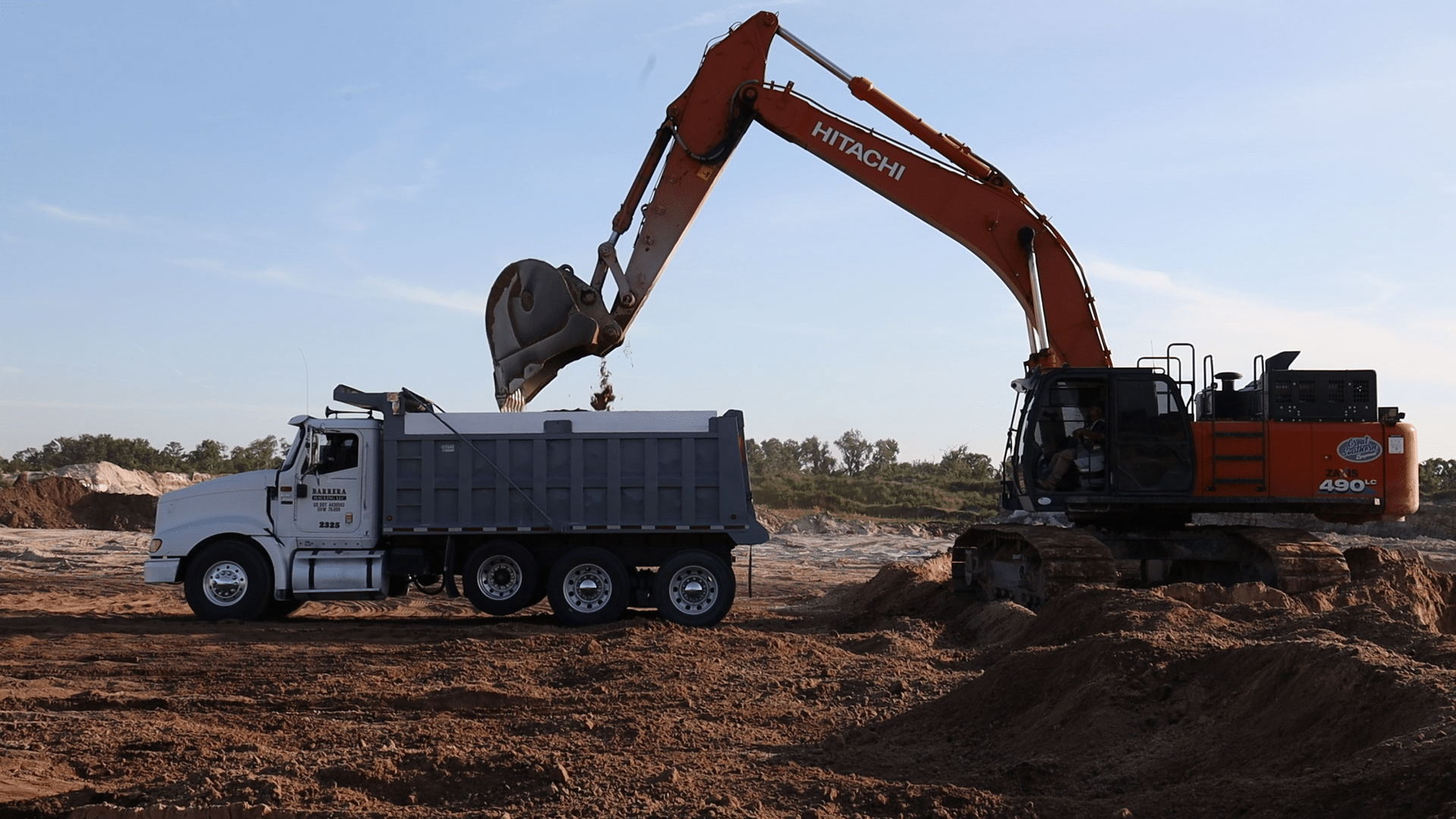
More than just a scanner
Jackson and the team at Razorback don’t just see the LVS as simply another piece of equipment – it’s a solution that keeps the operation moving, ensures customers get exactly what they pay for, and removes the guesswork from one of the most critical phases of the process.
“I think it’s a great system,” he says. “Loadscan gives me the visibility I need to stay on top of things.
In an industry where both accuracy and speed directly impact profitability, Razorback’s investment in Loadscan continues to prove itself every day – load after load, truck after truck.
Discover more Case Studies here